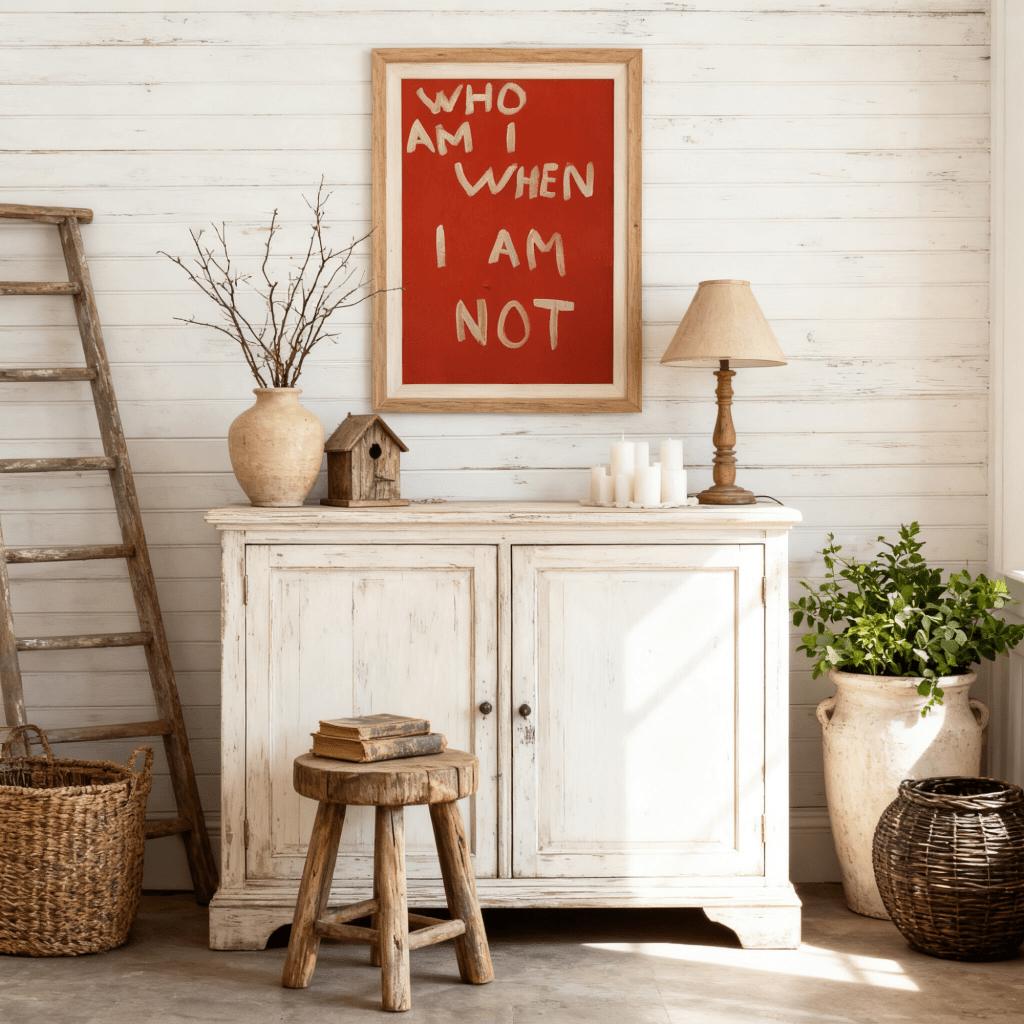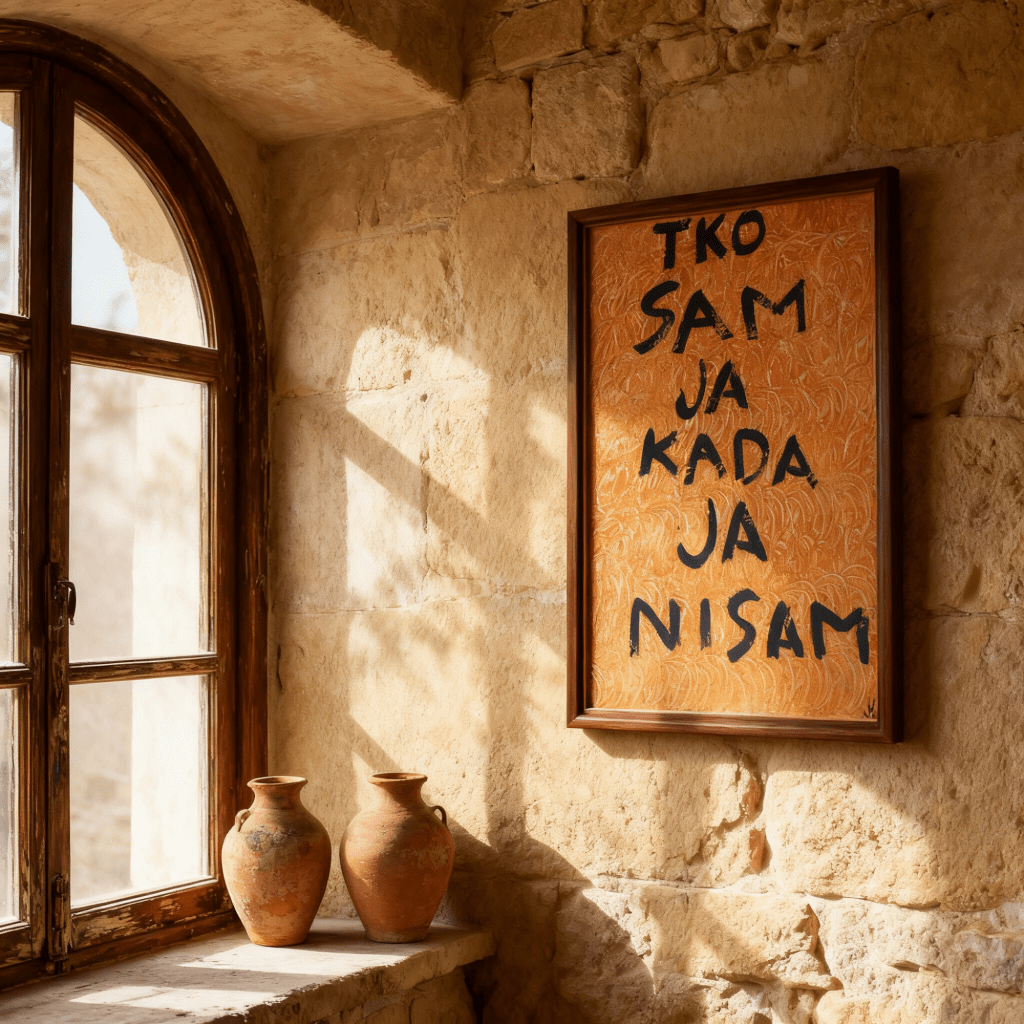
When you stand in front of a painting by Mateo Balaban, known as Rain Bordo, you don’t simply look at it — you feel it hit you like a storm. His work is pure controlled chaos: hypnotic circles fractured by raw, aggressive drips and slashes; fiery reds and oranges screaming vitality and danger; deep blues and stormy greens swallowing light; thick impasto that feels like scars on the soul. It is “emotional mathematics” — a survivor’s map of trauma, grief, resilience, and the strange beauty that emerges when everything falls apart. There is no hiding behind perfection here. The painting refuses to pretend. It shows pain, fury, empathy, and the stubborn human light that still wins.
If this painting shakes something loose inside you, these five books will go even deeper. They echo the same themes: the tension between order and anarchy, the confrontation with inner voids, the search for meaning in disorder, and the raw honesty of being human.
1. The Myth of Sisyphus by Albert Camus
Rain Bordo’s canvases often feel like a visual scream against absurdity — beautiful, violent, and strangely life-affirming. Camus’ essay does exactly the same in words. He stares directly at the meaninglessness of existence and concludes that we must imagine Sisyphus happy. Like the painting’s fractured circles and radiant breaks, Camus teaches us to revolt through lucid awareness and defiant joy. If the artwork leaves you with that electric mix of despair and strange energy, this book will give it language and courage.
2. Nausea by Jean-Paul Sartre
Sartre’s protagonist, Antoine Roquentin, experiences existence as overwhelming, viscous, and stripped of illusions — much like the raw, bark-like texture and impulsive drips in Rain Bordo’s work. The novel captures that moment when the comfortable surface of life cracks open and you suddenly feel the chaotic, contingent reality underneath. The painting’s “militant honesty” and refusal to decorate pain mirror Sartre’s brutal introspection. Reading it after seeing the artwork feels like continuing the same existential confrontation, but now inside your own head.
3. Notes from Underground by Fyodor Dostoevsky
This short, furious novella is the literary equivalent of controlled chaos. Its unnamed narrator is spiteful, contradictory, proud of his suffering, and painfully aware of his own fractures. Dostoevsky dives into the messy, irrational human soul with the same intensity that Rain Bordo attacks the canvas. Both artist and writer reject polite symmetry in favor of ugly truth, scars, and the strange dignity found in admitting our inner anarchy. If the painting stirs up discomfort and recognition at once, this book will feel like a mirror.
4. The Bell Jar by Sylvia Plath
Plath’s semi-autobiographical novel portrays a bright young woman’s descent into mental fracture and her slow, painful rebirth. The imagery of suffocation, glass walls, and distorted reality resonates powerfully with the painting’s stormy darkness, lightning-like splatters, and surrendering whites. Both works explore trauma, identity, and the search for authentic voice amid societal pressure to “pretend to be perfect.” Rain Bordo’s humanism and empathy shine through here too — Plath never loses the fragile beauty beneath the pain.
5. Man’s Search for Meaning by Viktor E. Frankl
After the raw emotional storm of the previous books (and the painting itself), Frankl offers a hard-won light. A Holocaust survivor and psychiatrist, he shows how even in the deepest suffering, humans can find purpose through love, attitude, and creative expression. Rain Bordo’s art feels like a survivor’s manifesto — charting layers of trauma while still radiating concentric light. Frankl’s logotherapy completes the circle: the painting doesn’t just show the fracture; it shows the defiant radiance that survives it. This book turns the chaos into quiet, unbreakable strength.
Seeing a Rain Bordo painting is never passive. It demands that you feel more honestly, question more deeply, and perhaps create something of your own from the pieces. These five books do the same. They don’t comfort you with easy answers — they sit with you in the storm, then help you find the strange, stubborn beauty that still wins.
If this Croatian artist’s work moved you, pick up one (or all) of these books. Let the colors keep speaking long after you step away from the canvas.